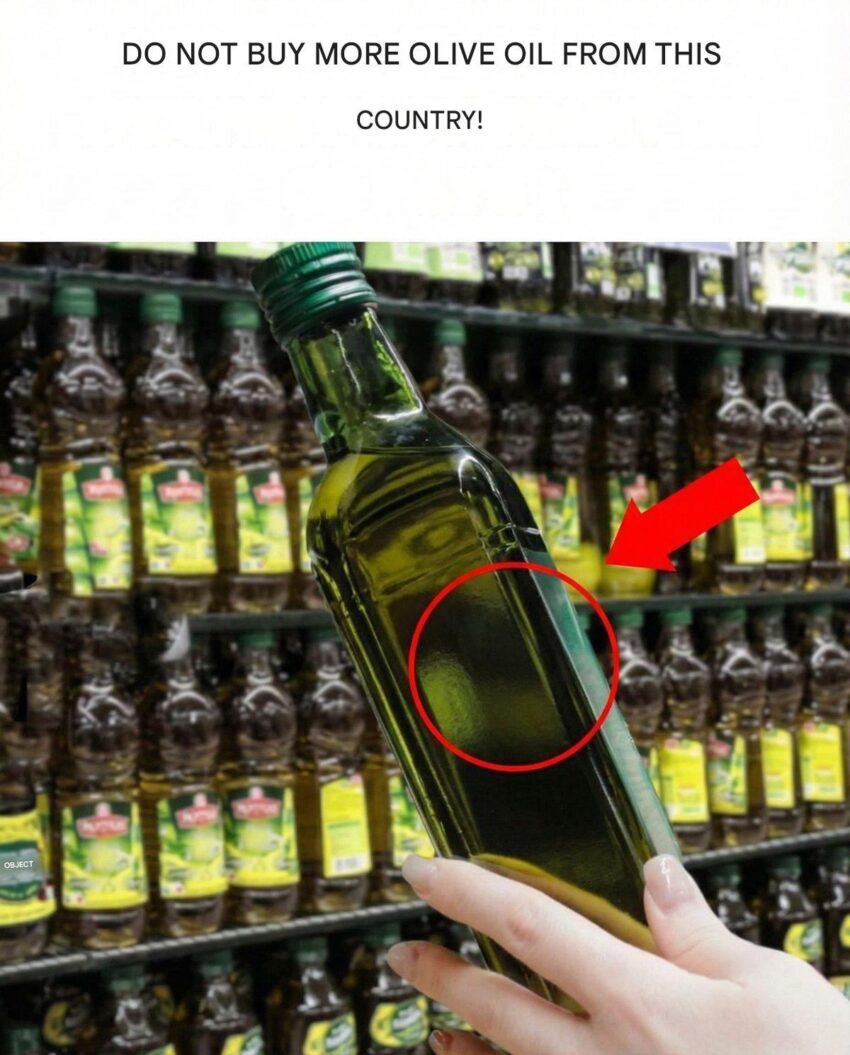
That claim is exaggerated. There is fraud in the olive oil market, but “80% is fake” isn’t a reliable figure—it’s more of a viral talking point than a solid, current statistic.
Here’s what’s actually going on with olive oil:
What “fake” usually means
Most of the time, it’s not completely counterfeit oil. Instead:
- Lower-quality oils labeled as “extra virgin” (but don’t meet the standard)
- Olive oil diluted with cheaper refined oils (less common today than headlines suggest)
- Old or poorly stored oil sold as fresh
How common is it?
Studies over the years (including in the US and Europe) have found mislabeling, especially with imported “extra virgin” oils—but not anywhere near 80% across the entire market. Regulations and testing have improved a lot in recent years.
Signs your olive oil might be low quality
- No harvest date (only “best before”)
- Very cheap price for “extra virgin”
- Generic labeling like “packed in Italy” (but olives from elsewhere)
- Flat, greasy taste instead of fresh, peppery, slightly bitter notes
How to choose a good one
- Look for harvest date and recent production (within ~12–18 months)
- Dark glass or metal containers (protects from light)
- Certifications (PDO, PGI, or trusted quality seals)
- Reputable brands or local producers
Reality check
Olive oil fraud exists, but:
- It’s mostly about quality mislabeling, not toxic fake products
- The majority of oils on shelves are safe to consume
- The biggest risk is paying premium price for lower quality—not being poisoned
If you want, tell me the brand you’re using and I’ll help you assess whether it’s likely legit or not.
