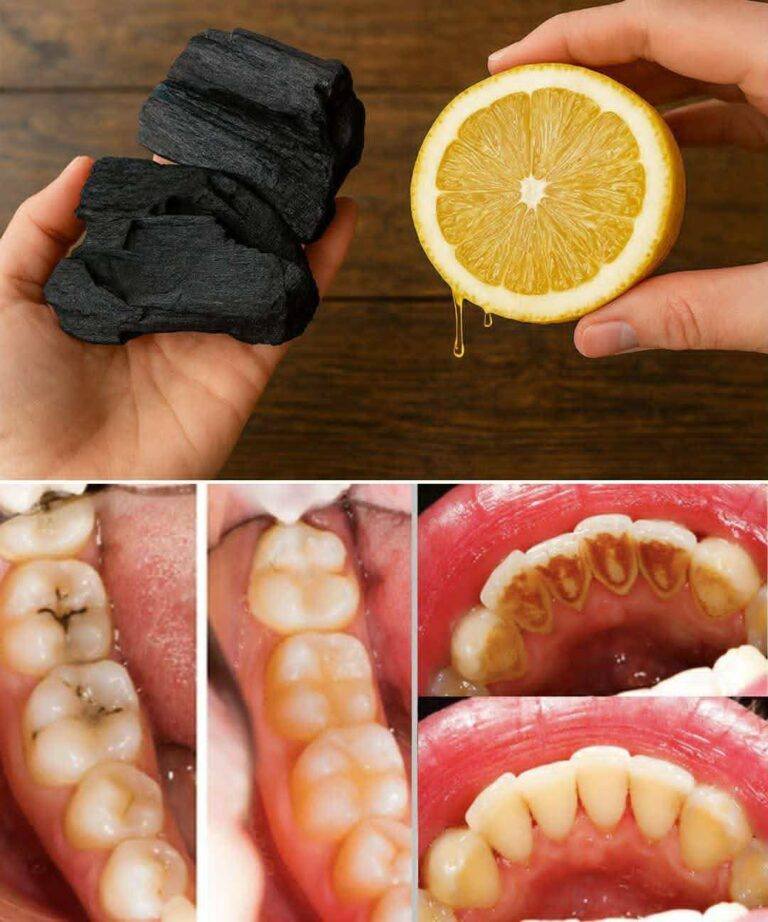
Lemon juice and activated charcoal are often promoted as “natural miracle” beauty fixes — especially for skin brightening and teeth whitening. But the reality is more nuanced.
Here’s what’s true, what’s risky, and safer ways to use them.
🍋 Lemon Juice for Skin
✅ Potential Benefits
- Contains vitamin C (antioxidant)
- Mild exfoliating effect due to citric acid
- May temporarily brighten dull skin
⚠️ Risks
- Highly acidic (can disrupt skin barrier)
- Can cause irritation, redness, or burns
- Increases sun sensitivity (risk of dark spots)
- Can worsen hyperpigmentation if used improperly
Safer Way to Use
- Dilute heavily (a few drops in water or mixed into plain yogurt)
- Use at night only
- Rinse after 5–10 minutes
- Always apply sunscreen the next day
Not ideal for sensitive or dry skin.
🖤 Activated Charcoal for Skin
✅ Potential Benefits
- Absorbs excess oil
- May help unclog pores
- Useful in oily or acne-prone skin types
⚠️ Limits
- Doesn’t “pull toxins” from deep inside skin
- Overuse can dry and irritate skin
- No proven anti-aging effects
Safer Way to Use
- Mix charcoal powder with aloe or plain clay
- Use 1–2 times per week
- Moisturize afterward
🦷 Lemon + Charcoal for Teeth Whitening
This combo is very popular — but problematic.
⚠️ Why It’s Risky
- Lemon juice erodes enamel (permanent damage)
- Charcoal is abrasive
- Enamel does NOT grow back
- Over time can cause sensitivity and yellowing
Most dentists do not recommend lemon or charcoal for whitening.
🧴 Better Natural Alternatives
For skin:
- Gentle chemical exfoliants (like lactic acid)
- Vitamin C serum (formulated for skin pH)
- Clay masks for oil control
For teeth:
- ADA-approved whitening toothpaste
- Professional whitening strips
- Dentist-supervised treatments
Bottom Line
Lemon and charcoal can have mild cosmetic effects, but they are not magic cures — and misuse can cause damage, especially to teeth.
If you’d like, tell me your skin type (dry, oily, sensitive, acne-prone), and I can suggest a safer DIY routine tailored to you.
