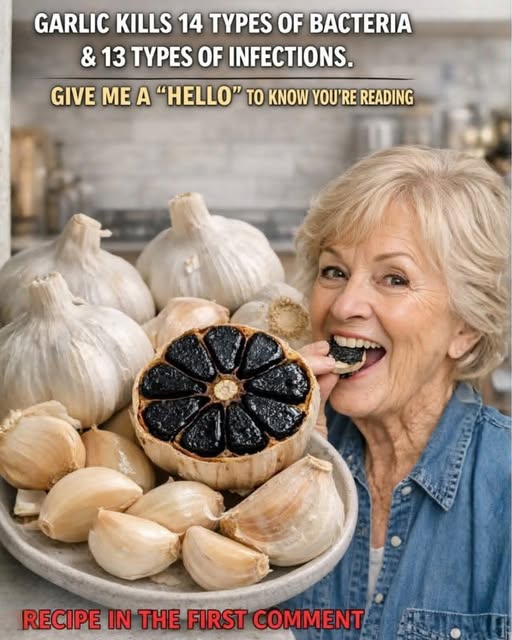
Garlic 🧄 does have legit health benefits—but let’s put this claim in the right, safe, evidence-based context.
Garlic & Infections: What’s True (and what’s not)
✅ What garlic can do
- Garlic contains allicin, a sulfur compound released when garlic is crushed or chopped.
- Allicin has antimicrobial properties in lab studies:
- Some bacteria
- Some fungi
- Some viruses
- Garlic may help support the immune system and may slightly reduce how often or how long you get common colds.
- It’s been traditionally used for minor infections and overall wellness.
❌ What garlic cannot do
- Garlic is NOT a replacement for antibiotics.
- It does not reliably “kill infections” inside the human body the way prescription antibiotics do.
- It cannot treat serious bacterial infections, sepsis, pneumonia, UTIs, or strep throat on its own.
- Using garlic instead of medical treatment can be dangerous.
🧪 Why the myth exists
- Many studies showing garlic “kills bacteria” are done in test tubes, not in people.
- The concentration of allicin used in labs is much higher than what you get from eating garlic.
- Allicin is unstable and breaks down quickly in the body.
How to use garlic safely & effectively
Think of garlic as supportive, not curative:
- Eat it raw or lightly cooked (crush and rest 5–10 minutes before cooking)
- Use it regularly in food for general immune support
- Pair it with:
- Adequate sleep
- Fluids
- Medical care when needed
⚠️ Safety notes
- Large amounts can cause stomach upset
- Can increase bleeding risk (important if on blood thinners)
- Raw garlic applied to skin can cause burns (yes, really)
Bottom line
🧄 Garlic = helpful immune-supporting food
💊 Antibiotics = medical treatment for infections
Garlic is a great helper, not a healer-for-all.
If you want, I can:
- Break down which infections garlic might help support
- Explain how to maximize allicin safely
- Compare garlic vs other natural immune boosters (ginger, turmeric, honey)
Just tell me 👍
