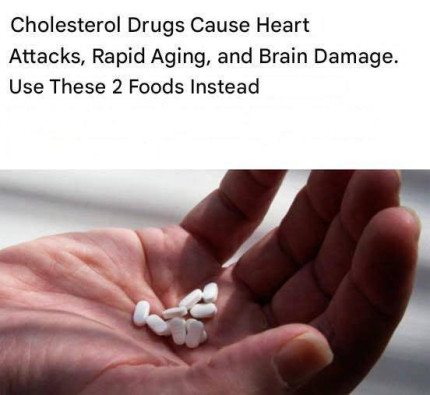
“Cholesterol drugs” usually refers to medications used to lower LDL (“bad”) cholesterol and reduce the risk of heart attack and stroke—most commonly a class called Statins (like atorvastatin or rosuvastatin).
There is controversy online around these drugs, but much of it comes from misunderstanding risk, overgeneralization from side effects, or distrust of long-term medication use. Here’s a clear, grounded breakdown of what’s actually true.
What cholesterol drugs actually do
Statins and similar medications:
- Lower LDL cholesterol (the main “clogging” cholesterol)
- Stabilize plaque in arteries (prevents rupture)
- Reduce risk of heart attack and stroke
- Are among the most studied drugs in modern medicine
They don’t “clean arteries instantly”—they reduce long-term cardiovascular risk.
Why there’s controversy
1. “Cholesterol is not the real problem” claim
Some argue cholesterol is harmless and only inflammation matters.
Reality: Inflammation matters too, but LDL cholesterol is a proven causal factor in atherosclerosis. Both are important, not either/or.
2. Side effects are real—but often overstated
Commonly reported issues:
- Muscle aches
- Mild fatigue
- Digestive discomfort
However:
- Many people tolerate statins with no symptoms
- True severe side effects are rare
- Some symptoms attributed to statins are actually unrelated (nocebo effect)
3. “They’re overprescribed” concern
This has some truth:
- Guidelines have expanded prevention use (especially in high-risk people)
- Some low-risk individuals may be started on medication earlier than necessary depending on local practice
But:
- High-risk patients (diabetes, prior heart disease) clearly benefit
4. Fear of long-term medication
People worry about taking drugs for decades.
Reality: Long-term studies (20+ years) show statins are generally safe and effective when medically indicated.
5. Social media misinformation
A lot of controversy comes from:
- Anecdotal stories (“I felt worse on statins”)
- Misinterpreted studies
- Anti-pharmaceutical narratives
These don’t outweigh large randomized clinical trials involving millions of patients.
When cholesterol drugs are clearly beneficial
They are strongly recommended for:
- Prior heart attack or stroke
- Very high LDL levels
- Diabetes (often depending on age/risk)
- High calculated cardiovascular risk
In these groups, they significantly reduce mortality.
Important nuance
- They are not a substitute for lifestyle changes
- Diet, exercise, sleep, and weight management still matter
- Best results come from combining both
Bottom line
The “truth behind the controversy” is this:
- Statins are not miracle drugs
- They are also not dangerous poison pills
- They are well-studied, effective risk-reduction tools
- Controversy mostly comes from oversimplified narratives on both sides
If you want, I can also explain:
- natural ways to lower cholesterol without medication
- or when doctors decide you actually need statins vs when you don’t
- or statin side effects vs nocebo effect in more detail
