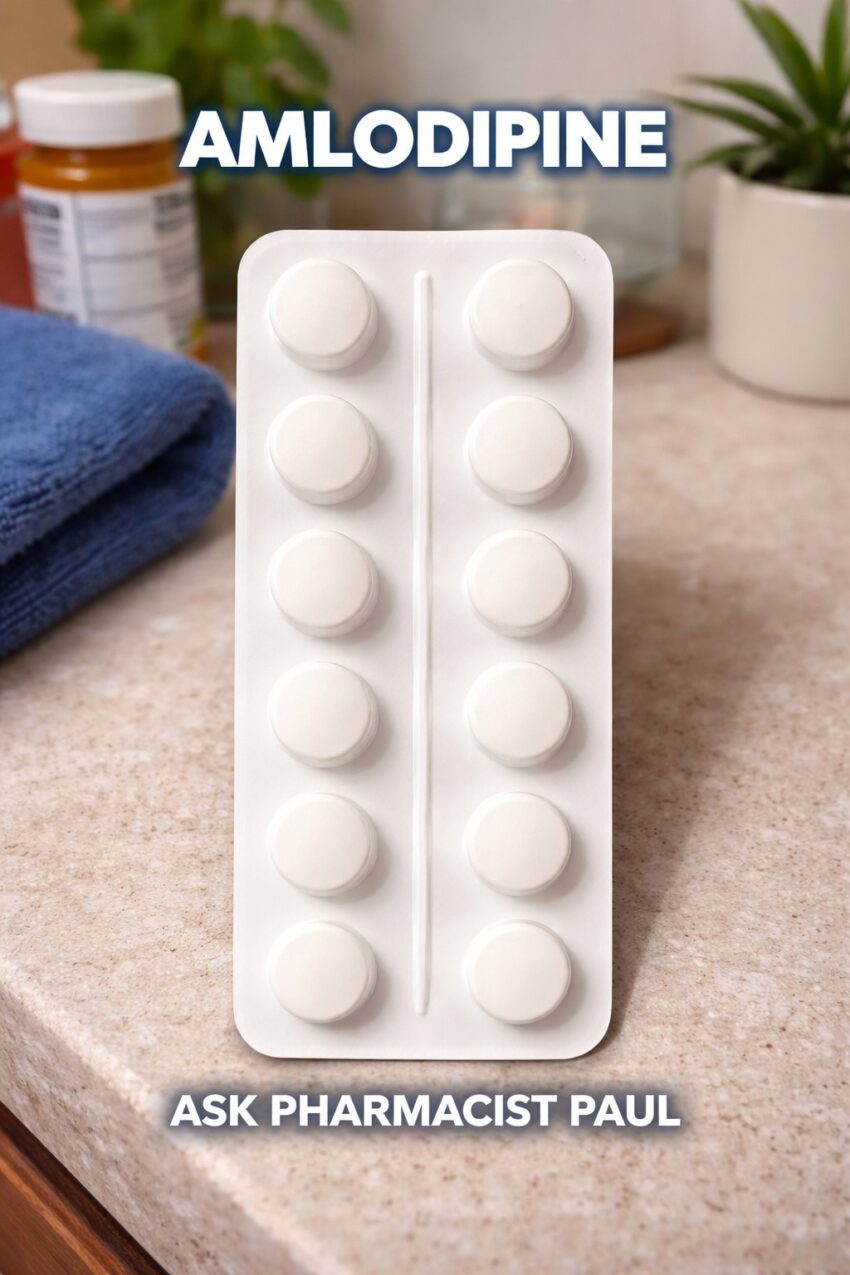
If you’re taking Amlodipine, the goal is usually to control blood pressure and protect the heart. It works well—but certain everyday habits can reduce its effectiveness or make side effects more noticeable.
Here are 8 habits worth avoiding (and why they matter):
1. Skipping doses or taking it irregularly
Amlodipine works slowly and steadily in your bloodstream. Missing doses can cause unstable blood pressure control.
Why it matters:
You may get rebound spikes in blood pressure or feel inconsistent symptoms like headaches or dizziness.
2. Eating a very high-salt diet
Too much salt (processed foods, chips, fast food, pickles) directly raises blood pressure.
Why it matters:
It can “fight against” the medication and make it less effective.
3. Drinking excessive alcohol
Alcohol can lower blood pressure temporarily, then raise it later, and may worsen dizziness.
Why it matters:
Combined with amlodipine, it can increase lightheadedness or fainting risk.
4. Standing up too quickly (poor hydration habits)
Amlodipine can sometimes cause mild blood vessel relaxation that leads to dizziness.
Why it matters:
Sudden posture changes + dehydration can increase risk of lightheadedness.
5. Ignoring swollen ankles or feet
Mild swelling is a known side effect due to fluid shifting in blood vessels.
Why it matters:
If ignored, it may become uncomfortable or signal dose adjustment is needed.
6. Taking it with grapefruit juice in large amounts
Grapefruit can affect how some blood pressure medications are processed (less strong interaction than with some drugs, but still relevant in excess).
Why it matters:
May slightly increase drug levels and side effects in sensitive people.
7. Using NSAID painkillers too often (like ibuprofen)
Frequent use of anti-inflammatory painkillers can raise blood pressure.
Why it matters:
They may reduce the blood pressure-lowering effect of amlodipine.
8. Relying only on medication without lifestyle support
Medication works best alongside lifestyle changes.
Why it matters:
Without exercise, weight control, and diet changes, higher doses may eventually be needed.
Important reality check
Amlodipine is generally:
- Well-tolerated
- Long-acting (24-hour effect)
- Effective for most people with hypertension or angina
Most side effects people worry about (like swelling or flushing) are manageable and dose-related, not dangerous in most cases.
Bottom line
The goal isn’t to fear Amlodipine, but to avoid habits that work against blood pressure control or worsen side effects.
If you want, I can also tell you:
- how to reduce amlodipine swelling naturally
- or whether it’s safe to take it long-term
- or compare it with other blood pressure medicines in simple terms
